Each capability gets its own deep dive as it ships. Drawing review is live today. Vault is the document layer of an AI-native readiness intelligence platform, proven on data center commissioning.
Live
architecture
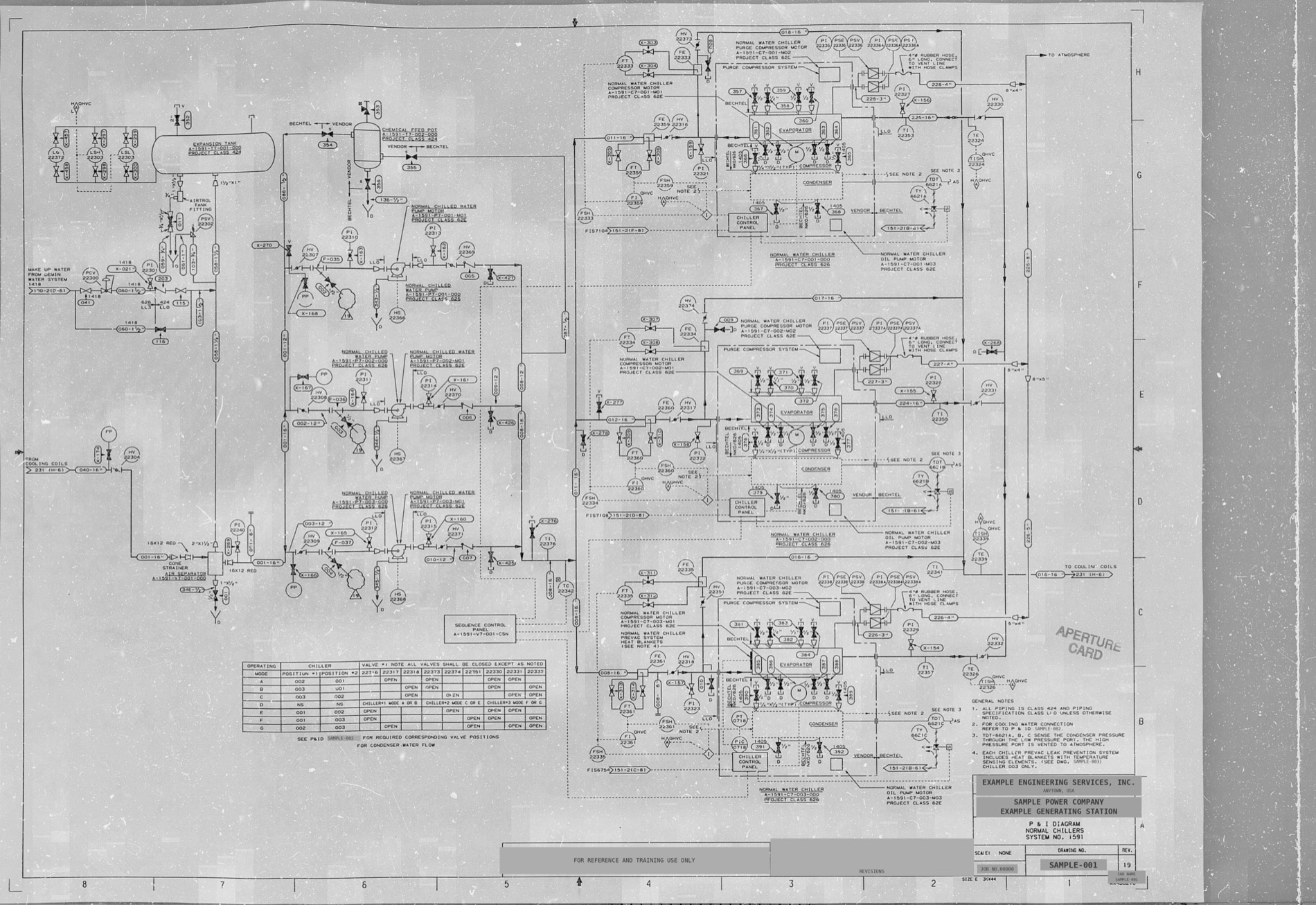
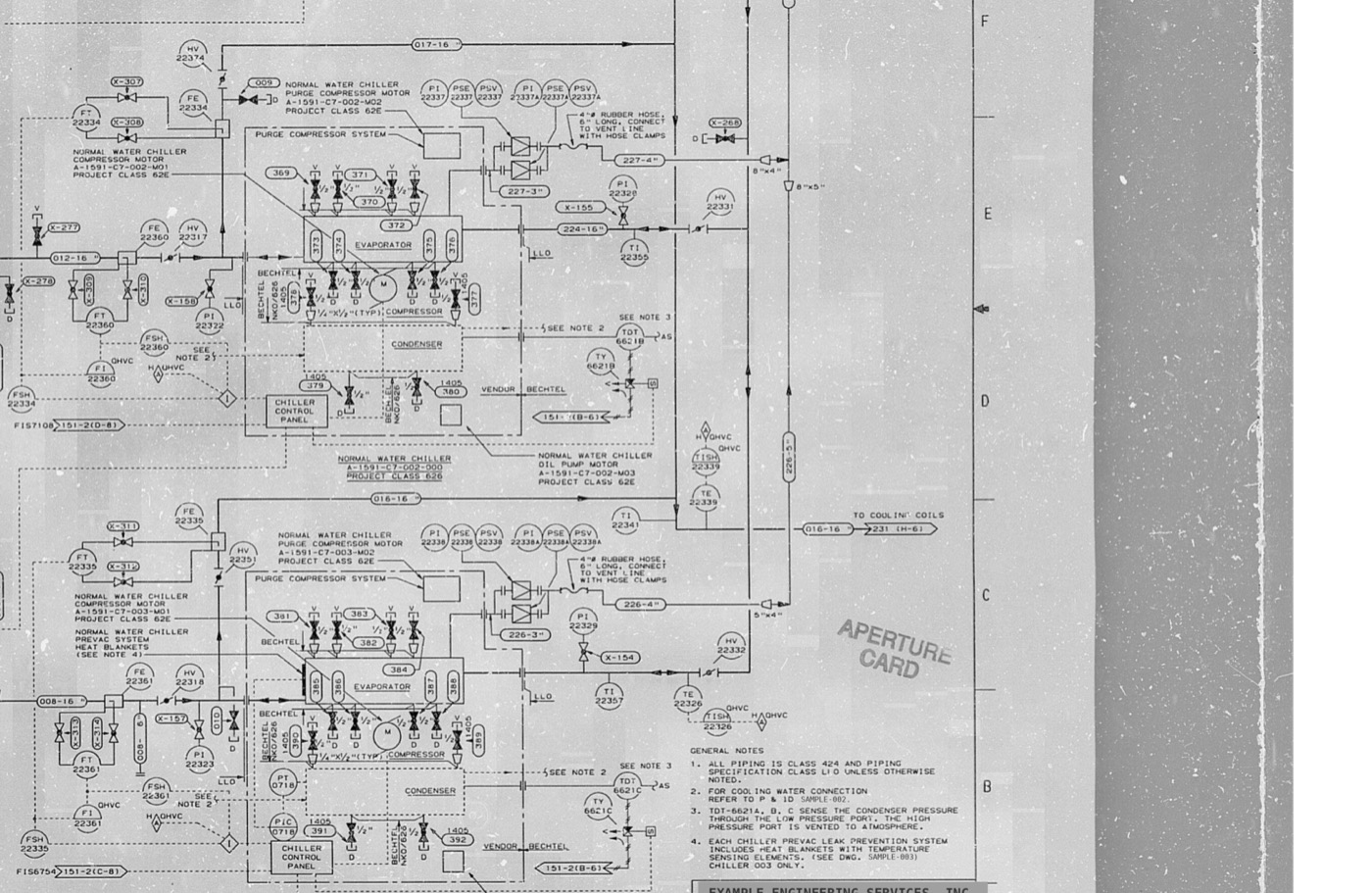
AI Drawing Review
P&IDs and schematics read like a reviewer reads them: identity, revision chain, every element tagged, valve tables parsed, cross-references walked and cited.
Explore the feature arrow_forward
Coming soon
checklist
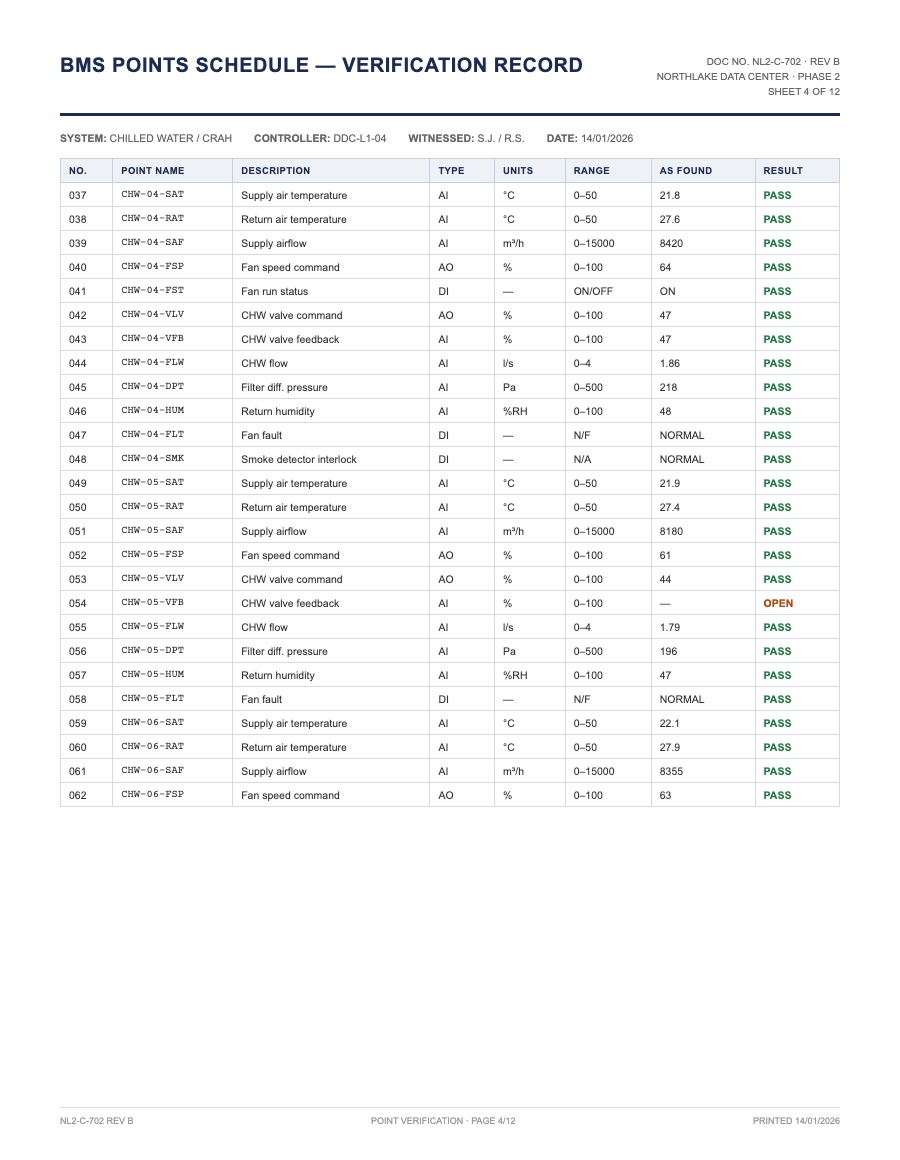
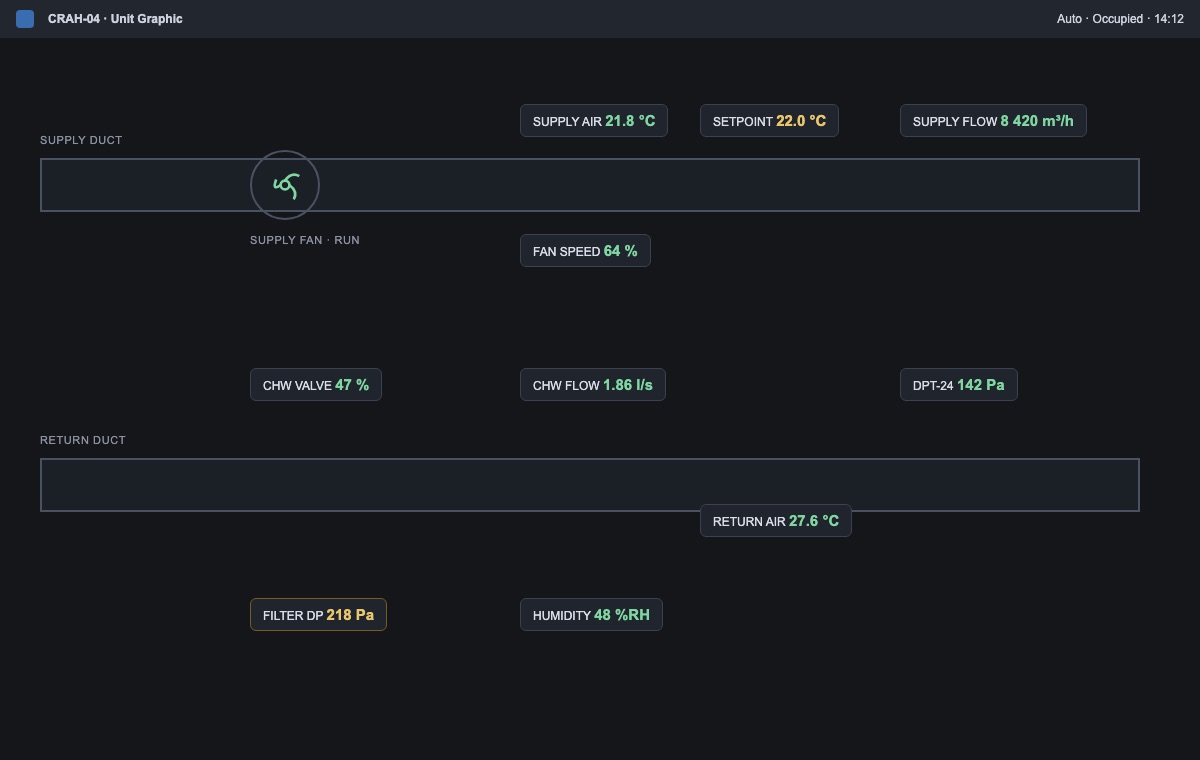
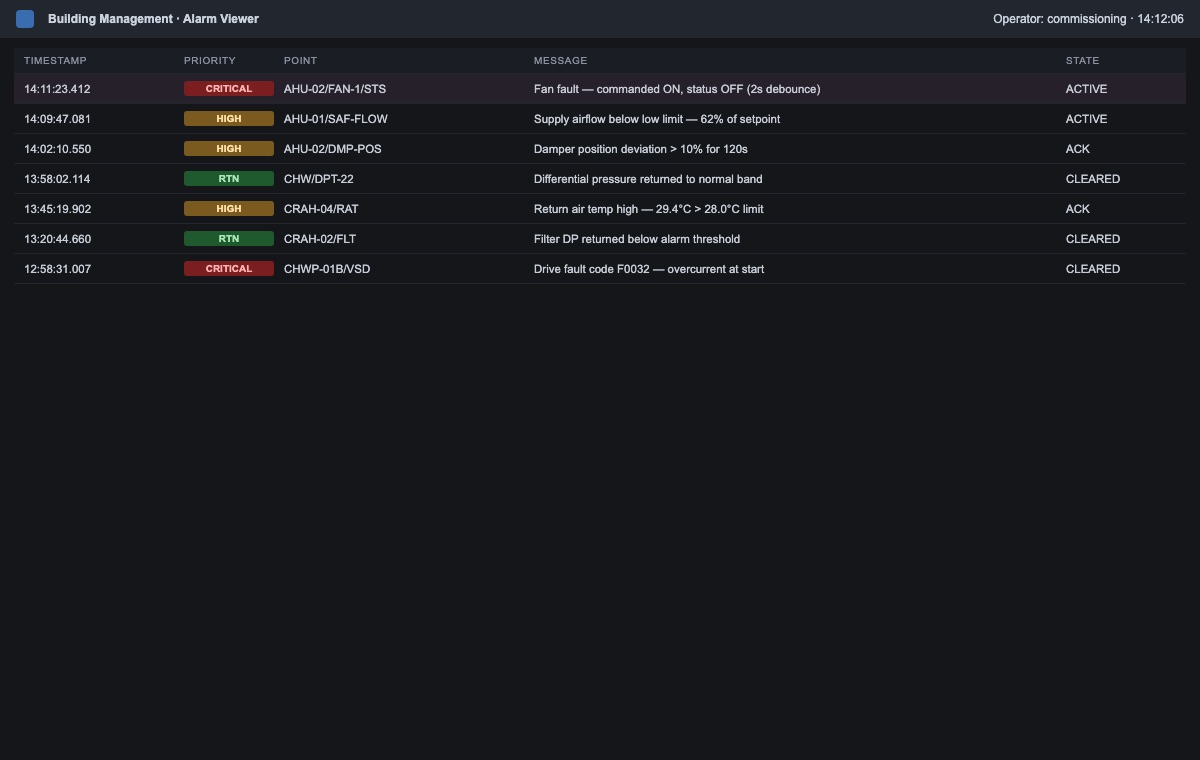
Points List & Screenshot Evidence
BMS points schedules read row by row, then matched to the graphics and alarm captures that prove them. The list and its evidence verified together, as one pass.
Coming soon
workspace_premium
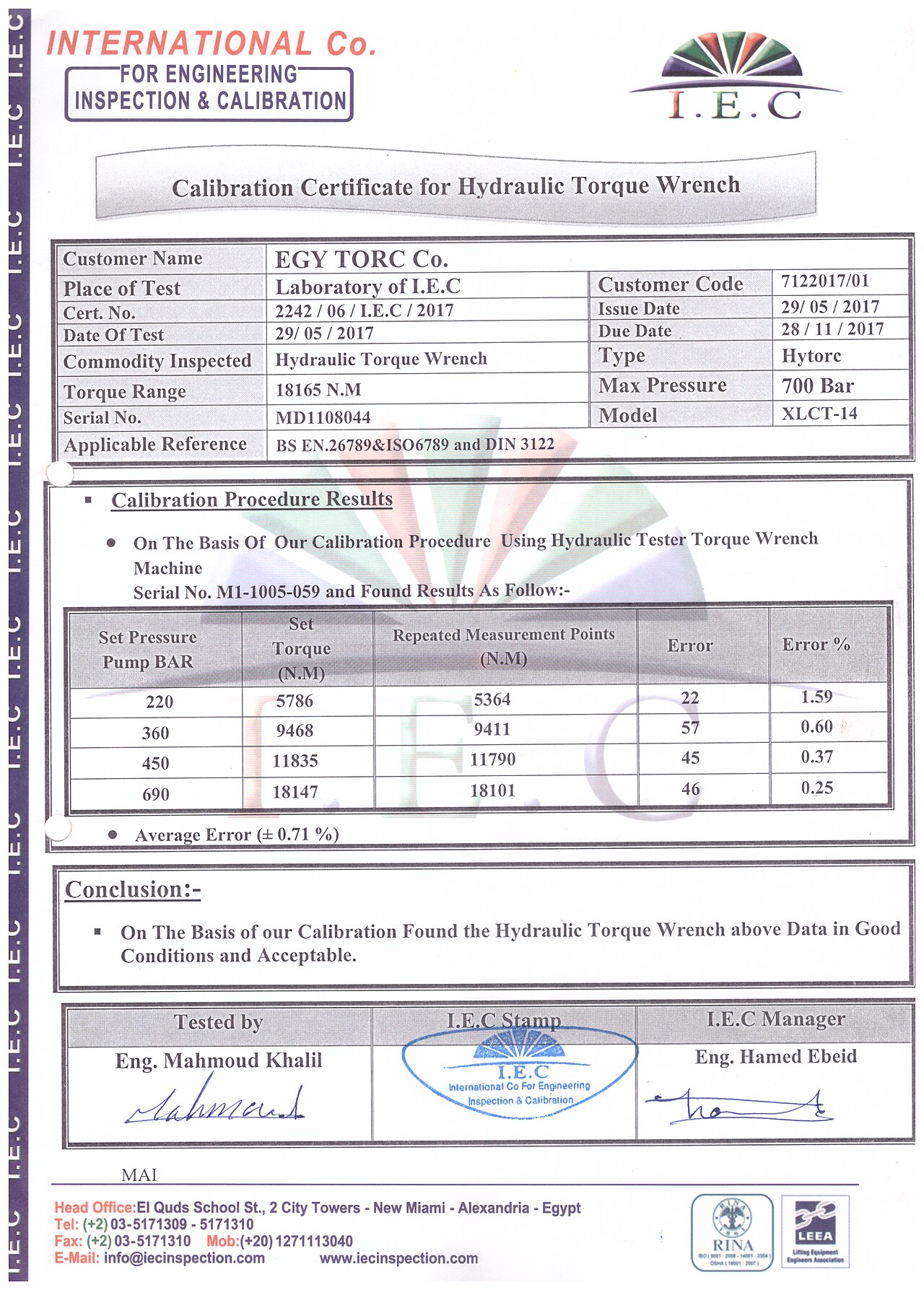
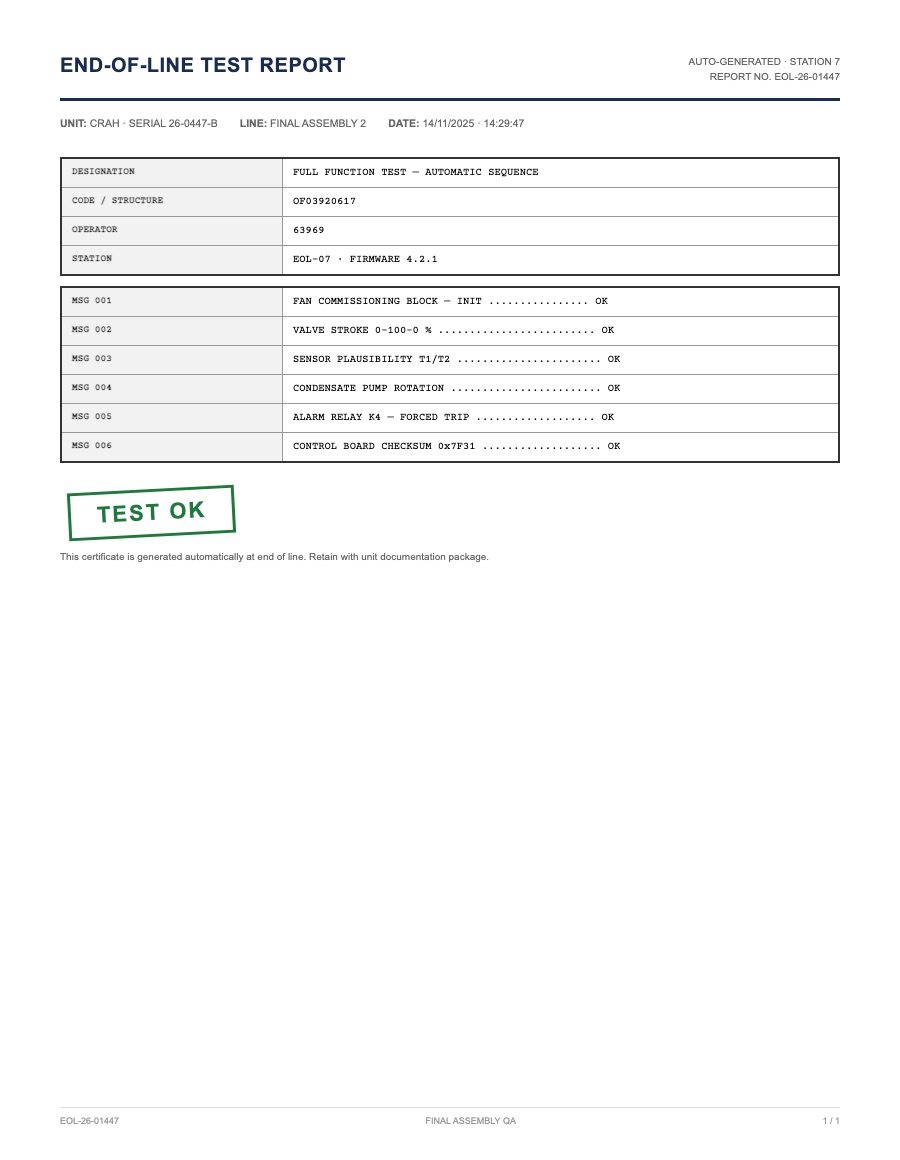
Calibration & Certificate Checks
Calibration certificates, factory reports and registers read with their dates, ranges and tolerances, validated against the instruments and points they certify.
Coming soon
timeline
Cx Testing Timeline
A commissioning testing timeline built from the dates, results and witnesses found in the reviewed documents, so progress is derived from evidence, not typed into a tracker.
Coming soon
account_tree
Turii Knowledge Graph Links
Locations, power sources and served-by relationships identified in the documents and stored as typed links in the Turii knowledge graph, ready to be queried.
Coming soon
mediation
Automated Dependencies
Dependency chains for power, cooling and controls derived automatically from the graph, feeding readiness views and risk analysis without manual mapping.
Coming soon
smart_toy
Specialised Document Agents
A dedicated AI agent per document type, tuned to its layout, language and failure modes, so a valve schedule and a factory report each get an expert reader.
Coming soon
rule_folder
Code & Standards Checks
Documents checked against the codes and standards you nominate, from building code clauses to project specs, with deviations citing the clause they trip.
Coming soon
forum
Ask Vault
Questions answered across the whole document set with sources side by side, from “which valves are open in mode B?” to “what is still blocking IST?”