The data center industry has become exceptionally good at tracking commissioning activity. It remains poor at measuring commissioning readiness. This is the readiness intelligence gap, and it is becoming one of the most consequential blind spots in AI infrastructure delivery.
Every modern data center commissioning program runs on activity metrics: scripts completed, scripts executed, issues opened and closed, milestones achieved, documents submitted, work packages closed. These numbers are precise, auditable, and easy to roll up into a dashboard. They describe, with great confidence, the work that has been performed. What they do not describe is whether the facility is actually ready for integrated systems testing, acceptance testing, or operational handover.
Activity metrics are not readiness metrics
The industry has quietly adopted a false equation: more completed activity equals higher readiness. In practice, the two diverge constantly. A project can post strong activity metrics, 90 percent of scripts executed, issue counts trending down, milestones green, while remaining fundamentally unready, because the systems that matter most are interdependent, and readiness lives in the dependencies, not in the line items.
A single missing utility tie-in, an unresolved prerequisite, a witnessing authority who is unavailable, or a control sequence that has never been proven end-to-end can render a "90 percent complete" system 0 percent ready for the test that matters.

Readiness lives in the dependencies
This gap is not a problem of data collection or activity completion. It is structural to how readiness is measured. Commissioning methodologies were built around a sequence of activities performed and validated, not to model the probability of successful execution. The tools inherited that DNA.
They count things well and predict outcomes poorly. As a result, the most important question a commissioning leader can ask, are we ready for go-live, and how confident are we?, is answered today by judgement, hallway conversations, and experience, not by intelligence.
Other industries solved a version of this problem decades ago. Aviation will not dispatch an aircraft on activity metrics; it dispatches against a defined readiness state. Nuclear, military, manufacturing, space, and software-release organisations all developed explicit disciplines for measuring preparedness before execution, precisely because the cost of acting on false confidence was catastrophic.
Commissioning has the same cost structure, schedule, energization risk, contractual acceptance, the credibility of a handover to operations, but has not yet developed the same discipline.
What Commissioning Readiness Intelligence measures
We name that discipline Commissioning Readiness Intelligence. Where traditional commissioning systems record activity, Readiness Intelligence predicts the probability of successful execution.
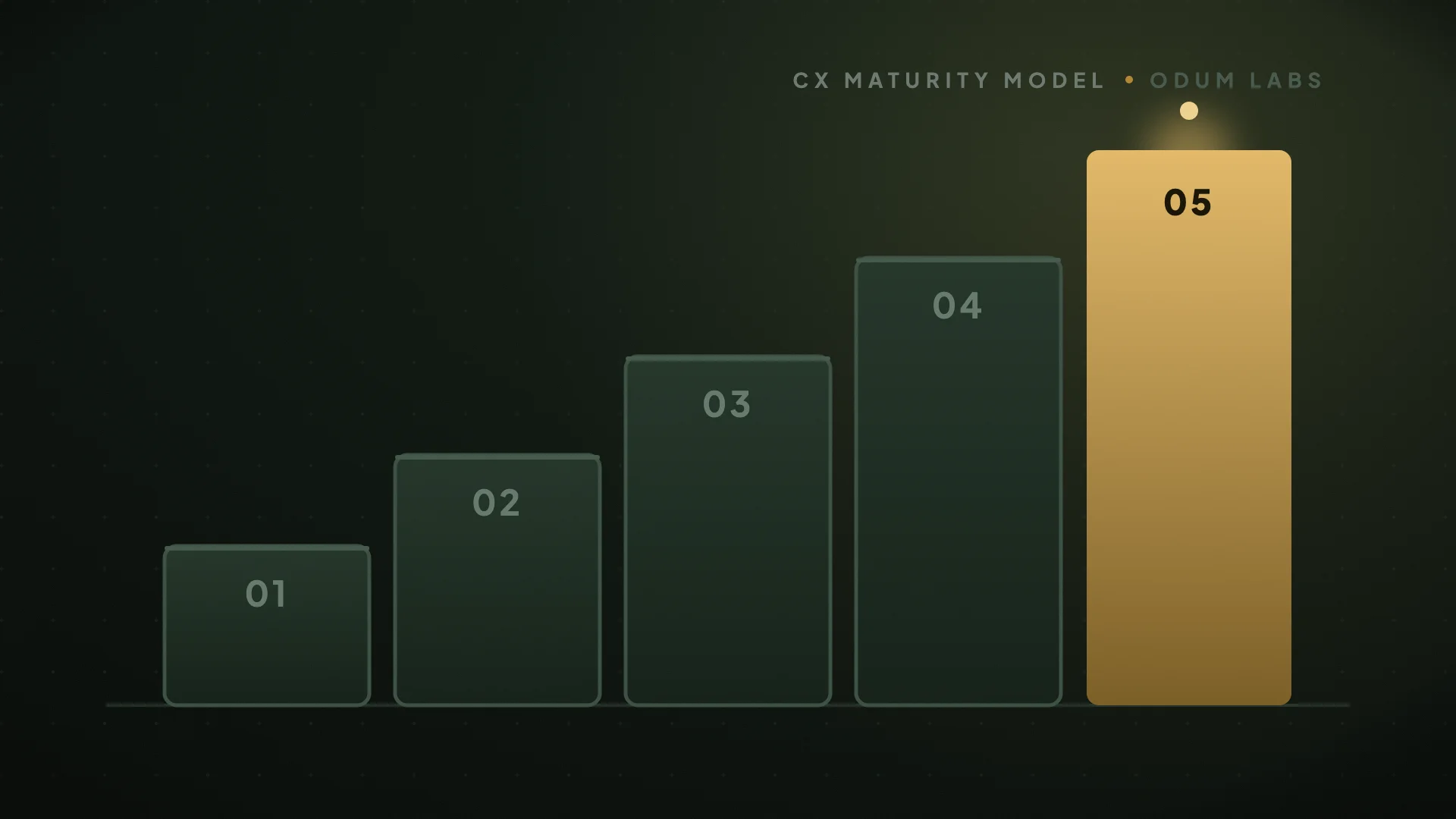
It introduces three original frameworks, the Cx Readiness Maturity Model (five tiers from Activity Tracking to Readiness Orchestration), the Readiness Pyramid (how execution readiness emerges from foundation, dependency, and integration layers), and the Readiness Gap (the distance between reported progress and actual probability of success). It also proposes the Readiness Equation, a conceptual model for how readiness could one day be quantified.
The conclusion is unavoidable. The industry has spent decades optimising how it tracks commissioning activity. The next frontier is measuring commissioning readiness, and the organisations that master Readiness Intelligence will outperform those that only measure progress. Locate your own program on the model with the Cx maturity self-assessment.
Frequently asked questions
What is the readiness intelligence gap?
It is the distance between reported progress and the actual probability of successful execution. The data center industry tracks commissioning activity precisely but remains poor at measuring whether a facility is actually ready for integrated systems testing, acceptance testing, or operational handover.
Why do strong activity metrics not mean a facility is ready?
Because readiness lives in the dependencies between systems, not in completed line items. A single missing utility tie-in, an unresolved prerequisite, or a control sequence never proven end to end can leave a system that reports 90 percent complete at 0 percent ready for the test that matters.
What is Commissioning Readiness Intelligence?
A proposed operating discipline for data center delivery. Where traditional commissioning systems record activity, Readiness Intelligence predicts the probability of successful execution, built on the Commissioning Intelligence Maturity Model, the Readiness Pyramid, the Readiness Gap, and the conceptual Readiness Equation.
What does outage data say about the readiness gap?
The Uptime Institute's Annual Outage Analysis consistently finds that most serious data center outages trace to human error and process flaws rather than missing or incomplete equipment. Failures cluster in how systems and steps relate, which is exactly where readiness lives.
Uptime Institute, Annual Outage Analysis. uptimeinstitute.com/resources/research-and-reports/annual-outage-analysis-2024